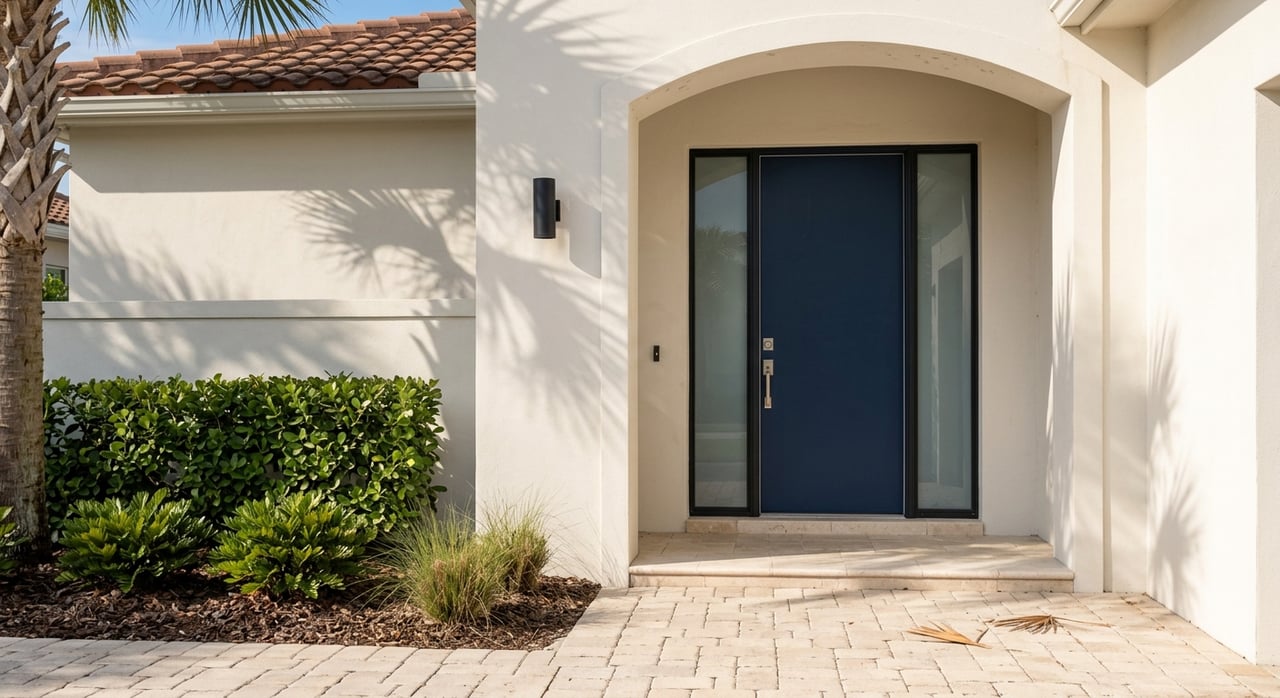
If you are thinking about selling your home in Crystal River, timing and preparation matter more than ever. In a market where buyers have more choices and more room to negotiate, the sellers who stand out are usually the ones who price carefully, prepare early, and stay organized from day one. This roadmap will walk you through what to expect from prep to closing, with local context that can help you make smarter decisions. Let’s dive in.
Understand the Crystal River market
Before you list, it helps to know what kind of market you are stepping into. According to Realtor.com’s Crystal River market data, the median listing price was $349,500 in March 2026, with 640 active listings and a median 82 days on market.
That points to a market where buyers have options. Redfin’s Citrus County data also showed 76 days on market and a 96.8% sale-to-list ratio in February 2026, while the REALTORS Association of Citrus County reported 6.0 months of inventory, 77 days to contract, and 117 days to close in September 2025. These numbers come from different time periods and methods, so they are best used as direction, not a guaranteed timeline.
The big takeaway is simple: Crystal River is not a one-price-fits-all market. Neighborhood and ZIP-level differences can be significant, which is why broad city averages should never be your only pricing guide.
Price with local comps
One of the most important steps in your selling roadmap is setting the right list price from the start. In Crystal River, that means looking beyond an automated estimate and using a comparative market analysis, or CMA, built from recent sold, active, and expired listings.
According to Realtor.com’s home seller guide, a strong CMA helps establish a realistic price range and leaves room for negotiation. That matters in Crystal River because micro-markets vary. The same Crystal River market page shows examples like Crystal Manor at a much higher median listing price and faster pace than Bay Villa.
If you price too high in a slower market, buyers may skip your listing or use extra days on market as leverage later. A careful, neighborhood-specific pricing strategy can help you attract stronger interest early and reduce the odds of chasing the market with price cuts.
Prepare your home before listing
In a balanced or buyer-leaning market, condition matters. Buyers tend to compare homes closely, and visible wear can influence both showing activity and negotiations.
Florida Realtors recommends realistic pricing, solid preparation, and even a seller-funded inspection to catch issues before buyers do. Realtor.com’s seller guidance also points sellers toward the basics that often matter most, including paint, landscaping, lighting, plumbing, roofing, mold, foundation concerns, gutters, and wood rot.
A practical prep plan often includes:
- Fixing visible wear and tear
- Handling high-priority repairs first
- Refreshing paint where needed
- Cleaning up landscaping and entry areas
- Checking lighting, plumbing, and exterior drainage
- Considering a pre-sale inspection to uncover issues early
This stage is about reducing surprises. The more you handle up front, the easier it can be to market your home confidently and avoid last-minute repair disputes once you are under contract.
Stage for today’s buyers
You do not need a perfect home to make a strong impression, but you do want buyers to see the space clearly. In a market where homes can take longer to sell, presentation can make a real difference.
Realtor.com’s seller guide recommends practical staging steps like decluttering, deep cleaning, removing personal items and valuables, keeping pets offsite if possible, and making kitchens and bathrooms shine. These basics help buyers focus on the home itself instead of distractions.
If you are getting ready to list in Crystal River, focus on spaces buyers notice first:
- The front entry and curb appeal
- Living areas with open sightlines
- Kitchens and bathrooms
- Storage areas and closets
- Outdoor living spaces
A clean, well-prepared home often photographs better, shows better, and gives buyers fewer reasons to hesitate.
Launch with broad exposure
Once your home is ready, marketing should go beyond simply putting it in the MLS. The goal is to create strong early visibility and reach buyers where they are already searching.
According to Realtor.com’s seller guide, effective listing marketing can include MLS exposure, company and agent websites, social media, print, open houses, direct mail, email campaigns, office networks, and referral sources. It also notes that buyers often choose an area first, which means your home’s location story matters too.
That is especially true in Crystal River. Buyers may be looking for access to the water, proximity to outdoor recreation, lot size, newer construction, or a specific part of Citrus County. A well-crafted listing should connect your property features with the broader lifestyle and location benefits buyers are already considering.
Manage showings and feedback
After your home goes live, flexibility helps. The easier it is for qualified buyers to see your home, the more opportunities you create for offers.
Showings can feel disruptive, but they are also one of the clearest signals of market response. Realtor.com’s seller guide says sellers should expect feedback from showings and open houses, along with market updates and offer guidance.
Feedback can reveal whether buyers are reacting to price, condition, layout, or competition. If several buyers say the same thing, that pattern can help you decide whether to adjust your strategy.
Negotiate with a clear plan
In Crystal River’s current market, negotiation is normal. A buyer may ask for a lower price, closing cost help, repairs, or other concessions, and that does not automatically mean your deal is in trouble.
Realtor.com’s seller guide explains that you can accept, reject, or counter an offer. Florida Realtors notes that concessions can help keep a transaction moving, including support for closing costs, repairs, or rate buydowns.
A calm negotiation strategy usually focuses on the full picture, such as:
- Offer price
- Financing strength
- Inspection terms
- Requested concessions
- Closing timeline
- Appraisal risk
Sometimes the best offer is not the highest one on paper. A cleaner contract with fewer obstacles can be just as valuable as an extra few thousand dollars.
Know your agent’s role
Many Florida real estate transactions operate under the transaction-broker relationship unless another relationship is disclosed. That role is important to understand because it shapes how your agent helps move the deal forward.
According to Florida Realtors’ explanation of the transaction-broker role, the agent facilitates the transaction, deals honestly and fairly, accounts for funds, discloses known facts required by law, and presents offers and counteroffers in a timely way. In practice, that means your agent helps organize the process, communicate clearly, and keep the transaction on track from negotiation through closing.
Handle Florida disclosures early
One of the smartest ways to avoid delays is to get ahead of required disclosures. In Florida, selling a property as-is does not remove your duty to disclose known issues that materially affect value and are not readily observable.
Florida Realtors’ disclosure law overview notes that sellers must disclose known material facts, provide a flood disclosure at or before contract execution, and disclose known flood damage that occurred during their ownership. The same resource also explains that Florida contracts include the required statutory radon language.
If your home was built before 1978, federal lead-based paint rules may also apply. The EPA’s lead disclosure guidance says sellers must provide the lead hazard pamphlet, disclose known lead-based paint information and reports, include the lead warning statement, and allow a 10-day inspection period unless waived in writing.
If your property is in an HOA or condo community, gather those documents early. Florida Realtors’ HOA guidance notes that unpaid dues, transfer fees, compliance issues, and missing paperwork can delay closing.
Track the contract-to-closing timeline
Once you are under contract, the process shifts from marketing to execution. This is the phase where deadlines, inspections, title work, and buyer financing all need to line up.
Realtor.com’s seller guide says closing often happens within about 60 days after both parties sign, though local conditions and loan timelines can affect that. Common milestones include financing, title search, title insurance, appraisal, inspections, and the final walk-through.
The Florida Realtors residential contract explains that closing takes place in the county where the property is located and may be completed by mail or electronically. It also outlines common seller costs like deed taxes or surtaxes and certain recording fees, while items such as taxes, insurance, rents, and association fees are usually prorated.
In a market with longer timelines, staying organized is essential. Small issues can become larger delays if title questions, repair negotiations, or HOA items are left too late.
Prepare for closing day
The final step is practical, but important. Before closing, you will need to remove personal property and trash, leave the home in clean condition, and be ready to transfer possession.
The Florida Realtors contract form makes this part clear. Sellers are typically expected to deliver the deed, possession, keys, garage door openers, and access codes at closing.
That last stretch often moves quickly. Having a simple move-out checklist and a clear plan for utilities, documents, and final cleaning can make closing day feel much smoother.
Your Crystal River selling roadmap
Selling a home in Crystal River is rarely about just putting a sign in the yard and waiting. In today’s market, the most successful sellers usually follow a clear plan: price from local comps, prepare the home well, market broadly, respond thoughtfully to feedback, and stay ahead of Florida paperwork.
If you want a steady, local guide through each step, Steven Lenhardt can help you build a smart selling strategy for your Crystal River home and manage the details from prep to closing.
FAQs
What is the current home selling pace in Crystal River, Florida?
- Local market data from Realtor.com and Redfin suggests homes in Crystal River and Citrus County are taking around 76 to 82 days on market on average, with negotiation room depending on price, condition, and location.
Why does pricing matter so much when selling a home in Crystal River?
- Crystal River has meaningful neighborhood and ZIP-level price differences, so a local CMA based on recent comparable listings is usually more reliable than a citywide average or automated estimate alone.
What repairs should sellers make before listing a Crystal River home?
- Sellers should focus first on visible wear and high-priority issues like paint, landscaping, lighting, plumbing, roofing, gutters, mold, foundation concerns, and wood rot, based on the property’s condition.
What disclosures are required when selling a home in Florida?
- Florida sellers must disclose known facts that materially affect value and are not readily observable, and they may also need flood, radon, HOA, condo, or lead-based paint disclosures depending on the property.
How long does closing usually take after accepting an offer in Crystal River?
- Many closings happen within about 60 days after contract signing, but financing, inspections, appraisal, title work, HOA items, and repairs can affect the exact timeline.
