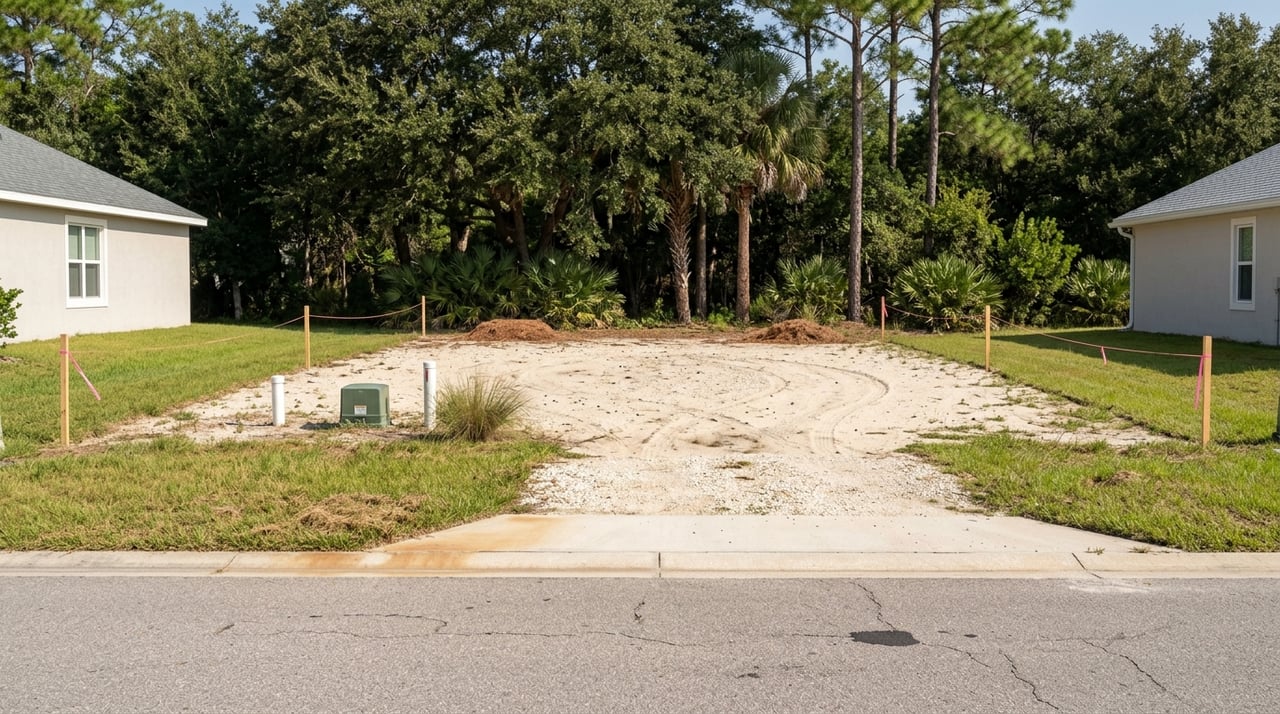
Buying vacant land in Homosassa Springs can feel simple at first glance, but a pretty lot does not always mean an easy build. If you want to avoid costly surprises, you need to look beyond the listing photos and ask the right questions early. This guide will walk you through the local factors that matter most, from zoning and access to septic, flood zones, and wetlands, so you can evaluate land with more confidence. Let’s dive in.
Start With Citrus County Parcel Data
Your first step should be the Citrus County GIS system. Citrus County says its mapping tools include parcels, land use, zoning, roadways, utilities, flood-zone data, easements, rights-of-way, and aerial imagery, which makes it one of the best starting points for vacant land research.
For buyers in Homosassa Springs, this matters even more because the area sits in a spring-focused landscape tied to the Homosassa River system. The Florida Department of Environmental Protection’s 2025 Homosassa and Chassahowitzka Springs Groups BMAP is in effect, so drainage, wastewater planning, and environmental overlays should be part of your review from day one.
The county’s Address Lookup tool can also help you spot practical issues before you make an offer. It may show bordering streets, road maintenance, utility information, setbacks, topography, permits, code complaints, future land use, current zoning, and BMAP or Priority Focus Area status.
What To Check First
Before you get too far into negotiations, confirm these basics:
- Parcel boundaries
- Current zoning
- Future land use
- Flood-zone information
- Easements and rights-of-way
- Utility availability
- Road frontage and maintenance
- BMAP or Priority Focus Area status
Verify Zoning And Future Land Use
A lot may be vacant, but that does not mean it is automatically ready for your intended use. Citrus County states that zoning controls allowable land uses and structural characteristics such as building height, so you should verify current zoning before making assumptions.
Future land use matters too. A parcel might fit your plans today on paper, but if future land use points in a different direction, that can affect what is realistic long term.
If you are planning a home, an investment hold, or a future build project, this is one of the first areas where clear answers can save you time and money. A quick check now is far easier than finding out later that your plans do not fit the parcel.
Check Access, Frontage, And Easements
Access is one of the biggest issues with vacant land. You want to know whether the parcel has direct road frontage or whether access depends on an easement.
That distinction matters because legal access issues can affect financing, site planning, and day-to-day usability. County parcel data includes easements and rights-of-way, and recent permit reviews in Citrus County have flagged problems when plans did not clearly show easements, lot lines, or dimensions.
You should also review road maintenance and surface conditions. The county’s Address Lookup tool may show who maintains the road and what its surface rating is, which can help you understand how practical the lot really is before you move forward.
Why Frontage Matters
Road frontage is not just about convenience. It can affect whether you have enough space for a compliant driveway and whether the lot has a usable building envelope after setbacks and easements are applied.
Recent county permit reviews show that residential aprons need a minimum width of 12 feet at the property line, a 15-foot return radius or four-foot flares, and should not be within 50 feet of intersecting roads. Reviews also note that aprons wider than 24 feet at the property line can trigger added stormwater compensation and county engineer approval.
That means even a lot that looks wide enough from the street may need closer review. This is one reason a surveyor is often worth involving early.
Order A Survey Early
If you are serious about a parcel, a boundary and topographic survey can be one of the smartest early investments. Recent Citrus County permit comments have required surveys showing spot elevations and flood-hazard information, which shows how important accurate site data is in the local review process.
A survey helps answer questions that online maps cannot fully resolve. It can confirm lot lines, reveal easements, show elevation changes, and help you estimate how much buildable area remains after setbacks and other constraints are applied.
In Homosassa Springs, where flood risk and environmental overlays can shape what is actually usable, that early clarity can make a major difference. It is much easier to renegotiate or walk away before closing than after.
Confirm Water, Sewer, Septic, And Well Needs
Utility planning is another area where vacant land buyers can get caught off guard. County permit reviews frequently require lots to connect to Citrus County’s central water system, and in some cases central sewer may also be required.
Those same reviews note that water meters are not installed until the lot is cleared and staked. They also state that owners must provide a pressure regulator and that future central sewer connection may be required within 365 days of notification.
If public sewer is not available, the Florida Department of Health in Citrus County handles septic permitting and inspection through its Onsite Sewage Disposal program. The department explains that these rules are intended to protect groundwater, which is especially relevant in the Homosassa Springs area.
If the lot will need a well, DOH-Citrus’ Drinking Water Program coordinates groundwater sampling and provides information about well-water testing labs. The same program notes that limited-use private water systems are subject to setback and construction standards.
Utility Questions To Ask Before You Offer
- Is central water available now?
- Is central sewer available now?
- Could future sewer connection rules apply?
- If septic is needed, what local requirements apply?
- If a well is needed, what testing and setback rules apply?
- Will utility extension costs be needed?
Understand BMAP And Priority Focus Area Overlays
In Homosassa Springs, wastewater planning is not just a routine box to check. Because of the local springs system, BMAP and Priority Focus Area overlays can directly affect what may be required for septic planning.
Citrus County GIS includes BMAP and Priority Focus Area layers, and the Florida Department of Environmental Protection says BMAPs are designed to reduce nitrogen pollution in springs. In impacted areas, enhanced nutrient-reducing septic systems may be required.
This is an important due diligence item if you are buying land outside public sewer service. Before assuming a conventional septic setup will work, confirm whether the parcel falls within one of these mapped areas.
Review Flood Risk And Drainage
Flood risk can dramatically affect what you build, where you build, and what site work is needed. Citrus County flood mapping includes Special Flood Hazard Areas such as A, AE, VE, Coastal A, and X.
Recent county permit reviews commonly require the flood line and design flood elevation to appear on the site plan. They also often require a boundary and topographic survey with grade elevations and flood-hazard information.
If the lot needs fill or major grading, the review process can become more complex. County comments show that an engineered site plan may be required, including details about fill location, amount, material, compaction, and how the site will perform under flooding, prolonged inundation, erosion, and scour.
Why Drainage Can Change The Deal
A parcel may look affordable at purchase price alone, but drainage and fill costs can reshape the budget quickly. If the lot needs engineering, grading, or stormwater planning, the true cost to build may be far higher than expected.
For that reason, it is smart to evaluate not just whether the lot is technically buildable, but whether it is financially practical for your goals. A lower-priced lot is not always the better buy.
Screen For Wetlands And Site Constraints
Wetlands are another major factor in Homosassa Springs land evaluation. Citrus County GIS maintains a wetlands layer based on National Wetland Inventory mapping, which gives buyers an important first screen.
Recent county permit reviews have required environmental surveys with jurisdictional wetland lines when wetlands affected setbacks. That tells you wetlands are not just a background issue. They can directly affect where a home may be placed on the lot.
Flood zones, wetlands, drainage requirements, easements, and setbacks all work together to shape the usable building area. A parcel may have enough total square footage, but much less truly usable space than you expected.
Build Your Due Diligence Team Early
Vacant land purchases often go more smoothly when you bring in the right professionals early. In Citrus County, recent permit review patterns suggest that surveyors, builders, civil engineers, and county staff can all play an important role depending on the lot.
A surveyor can help if lot lines, frontage, easements, elevations, or wetlands are unclear. A builder or civil engineer may be helpful before closing if the lot needs clearing, drainage work, fill, septic design, or flood-zone foundation planning.
County staff can also be a valuable resource. Citrus County GIS is useful for parcel and overlay data, while county floodplain and building staff can help with flood and site-plan questions, and DOH-Citrus can help with septic and well questions.
A Smart Vacant Land Checklist
If you want a simple way to evaluate a Homosassa Springs lot, focus on these five items before you commit:
- Confirm access, easements, and driveway feasibility.
- Verify current zoning and future land use.
- Determine whether public water and sewer are available, or whether well and septic will be needed.
- Screen for flood zones, wetlands, and BMAP or Priority Focus Area overlays.
- Order the right survey and estimate site-work, drainage, engineering, and utility costs.
The goal is not just to find land that looks good online. The goal is to find land that fits your plans, your budget, and the local rules that apply in Homosassa Springs.
If you are thinking about buying vacant land in Homosassa Springs or anywhere in Citrus County, having local guidance can make the process much clearer. For help evaluating lots, comparing options, and moving forward with confidence, connect with Steven Lenhardt.
FAQs
What should you check first when evaluating vacant land in Homosassa Springs?
- Start with Citrus County parcel records and GIS maps to review zoning, future land use, flood zones, easements, utilities, road access, and BMAP or Priority Focus Area overlays.
Why does zoning matter for vacant land in Homosassa Springs?
- Citrus County says zoning defines allowable land uses and structural characteristics such as building height, so you should confirm zoning before assuming a lot will support your plans.
How do you know if a Homosassa Springs lot has legal access?
- Review parcel data for direct road frontage, easements, rights-of-way, road maintenance details, and driveway feasibility before writing an offer.
Do you need a survey for vacant land in Homosassa Springs?
- A boundary and topographic survey is strongly recommended because local permit reviews often require lot lines, spot elevations, and flood-hazard information.
What utility questions matter for vacant land in Homosassa Springs?
- You should confirm whether central water or sewer is available, whether well or septic will be needed, and whether future sewer connection requirements could apply.
How can flood zones affect a vacant land purchase in Homosassa Springs?
- Flood zones can affect building placement, elevation requirements, drainage planning, fill needs, and the overall cost to develop the lot.
Why should you check for wetlands on a Homosassa Springs parcel?
- Wetlands can reduce the usable building area and may require additional environmental review if they affect setbacks or site planning.
What is a BMAP or Priority Focus Area for Homosassa Springs land buyers?
- These are mapped spring-protection overlays that can affect wastewater planning and may require enhanced septic considerations in impacted areas.
