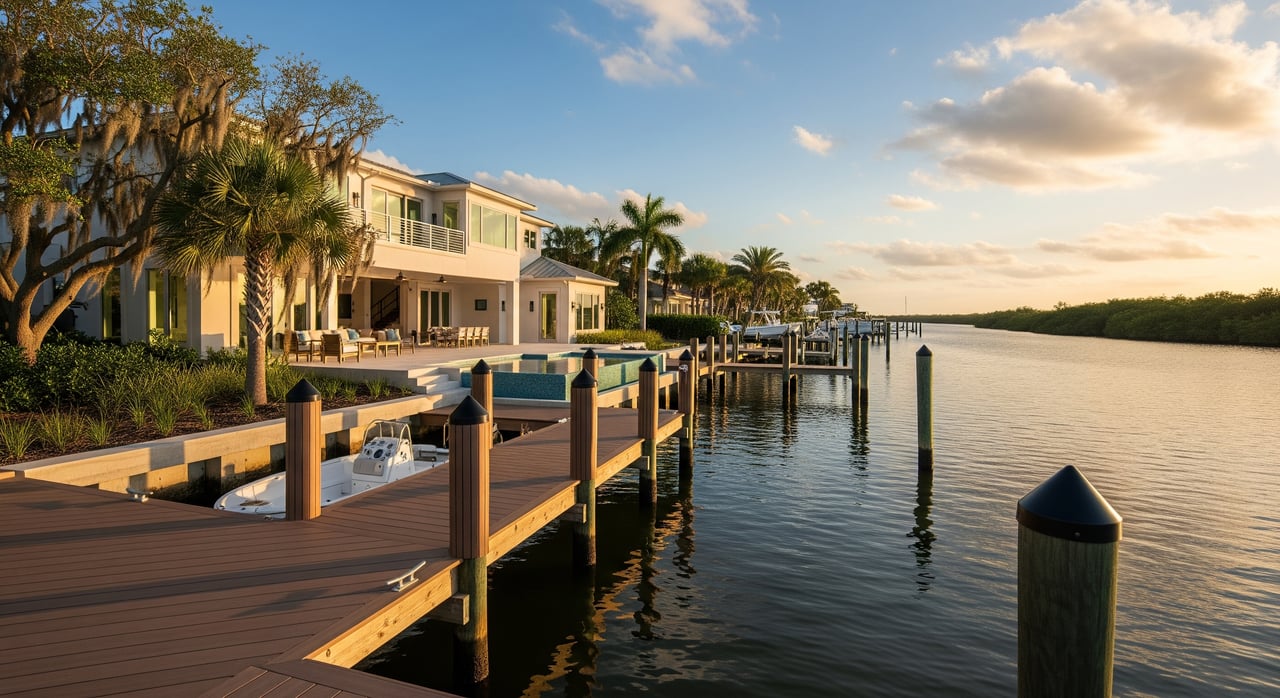
Pricing a waterfront home in Homosassa Springs is different from pricing an inland property. The water sets the lifestyle, but it also brings rules, maintenance, and usability questions that buyers factor into value. If you want top dollar without overpricing, you need to zero in on the features that matter most to local buyers.
In this guide, you’ll learn which waterfront details move price, how to gather the right data, what improvements help your net, and how to select strong comps. You’ll also get a simple checklist you can use today. Let’s dive in.
What drives waterfront value
Frontage type
Direct riverfront on the Homosassa River or open tidal access typically commands the highest premium. Canal frontage can be valuable, but shallow or narrow canals may limit boat size and maneuverability. Shared or easement access usually trails private frontage in buyer demand.
Local boating rules, speed zones, and sensitive habitats influence the experience. In Homosassa Springs, protected areas and parklands shape what’s permitted and how buyers perceive the property.
View corridor and orientation
Clear, wide water views raise desirability. Dense vegetation or neighboring structures that block sightlines reduce appeal. Buyers often like south or west exposures that offer sunset views over the water, especially when the corridor is unobstructed.
Dock and lift quality
A permitted, well‑built dock with a functional lift is a major value driver for boating buyers. Piling condition, decking, electrical and lighting, and safe access all matter. If a dock is unpermitted or in poor condition, buyers will discount for repair costs and perceived risk.
Keep records handy. Permits, repair invoices, and engineering reports build confidence and support higher pricing.
Water depth and navigation
Depth at your dock and along the access channel determines what boats can use the property. Deeper water supports a larger buyer pool and stronger pricing. In shallow areas or where shoaling is common, buyers may ask for verification at low tide and references to channel depths.
For navigation context, point buyers to official resources like NOAA nautical charts or a recent local survey.
Renovation level and condition
Interior updates help, but waterfront buyers look closely at components exposed to salt air and sun. Roofing, windows and doors, exterior cladding, metalwork, and dock and seawall condition carry weight. Durable, low‑maintenance finishes and updated systems can push you toward the top of your comp range.
Flood, insurance, and permits
FEMA flood zone, elevation, and insurability affect affordability and demand. Confirm your designation through the FEMA Flood Map Service Center, and consider gathering an elevation certificate and an insurance pre‑quote. State guidance from the Florida Office of Insurance Regulation and program details from Citizens Property Insurance Corporation can help you set expectations.
Dock and seawall permits matter for both compliance and marketability. Environmental rules also shape what you can build or trim along the shoreline. For reference, see the Florida Department of Environmental Protection and Florida Fish and Wildlife Conservation Commission for information on coastal permitting and manatee protection zones.
Build your price: a simple workflow
- Confirm legal waterfront status. Pull your deed and a current survey to verify frontage type and any riparian or shared access details.
- Document the shoreline. Gather dock and seawall permits, repairs, and photos. If anything looks questionable, consider a quick dock/seawall inspection.
- Verify flood and elevation. Note your FEMA flood zone and collect your elevation certificate if available. This supports insurance conversations with buyers.
- Measure water depth. Record depth at mean low tide at your dock, and reference access channel depth using NOAA nautical charts.
- Build your comp set. Prioritize recent solds with the same frontage type, similar view, comparable dock/lift and water depth, and similar renovation level.
- Check insurability. Ask a licensed agent for a pre‑quote or underwriter pre‑check to avoid surprises.
- Estimate needed repairs. Price out key marine items first. Shoreline functionality and legality usually deliver the strongest return.
Select the right comps
- Match water first. Start with sales that share your frontage type and similar navigability. Do not compare direct riverfront to shallow canal frontage unless you adjust for the difference.
- Align dock and depth. A functional, permitted dock with a lift and similar water depth is a closer match than a newer interior renovation with poor water access.
- Consider view corridor. Wide, unobstructed views often justify higher prices than narrow or blocked views.
- Time matters. Favor sales from the past 3 to 6 months. If inventory is thin, extend to 6 to 12 months and explain the rationale.
- Use actives and pendings as context only. Base final pricing on solds, while watching supply and absorption. For broader market snapshots, the Florida Realtors market statistics page is useful background.
Pre‑list improvements that pay off
High‑impact
- Dock repairs and safety upgrades. Replace rotten decking, secure cleats and ladders, confirm the lift is operational and power is safe.
- Permitting clean‑up. If any shoreline elements lack permits, pursue retroactive permits where feasible or document a path to compliance.
- Seawall stabilization. If leaning or cracking is visible, obtain an engineering review and address issues to protect value.
- Improve sightlines. Where allowed, trim vegetation to open the water view. Follow environmental rules to avoid removing protected species.
Moderate‑impact
- Exterior maintenance. Repaint, replace corroded metalwork, and reseal marine‑grade windows and doors to signal durable condition.
- Landscape with natives. Frame the view with appropriate plants to reduce maintenance and permitting concerns.
- Minor interior refreshes. Target kitchens, baths, flooring, and lighting to align with renovated comps.
Lower‑impact
- Professional photos and drone shots highlighting frontage, dock, and view corridor.
- Provide a dock/seawall report, depth notes, and a simple property packet for buyers.
- Consider a pre‑listing mechanical inspection or home warranty to reduce renegotiation risk.
For maintenance best practices in coastal settings, the UF/IFAS Extension offers helpful guidance on docks, seawalls, and materials.
Pricing checklist you can use
- Title and survey: confirm frontage type, boundaries, and dock/seawall locations.
- Permits and repairs: collect dock/seawall permits, inspection reports, and invoices.
- Water access: record depth at mean low tide, plus channel depth references.
- View documentation: photos and, if available, drone shots showing the corridor.
- Flood and insurance: FEMA zone, elevation certificate, and a recent insurance quote.
- Comparable sales: 3 to 6 solds with matching waterfront features; 3 actives/pendings for context.
- Systems and condition: notes on roof, windows/doors, HVAC, electrical, plumbing, and any mold/termite history.
- Environmental constraints: any easements, manatee or no‑wake zones, or vegetative buffers that affect use.
Answer buyer questions before they ask
- Can the dock hold my boat year‑round? If the lift capacity, permits, and depth match a buyer’s boat, value climbs. If use is seasonal or limited, expect a discount.
- Is the dock permitted and safe? Buyers often price in the full repair or permitting cost plus a risk premium when documentation is missing.
- What boats can I run from here? Depth at low tide and channel characteristics matter. Limited depth narrows the buyer pool, which can pressure price.
- Will I need flood insurance? Where required or where premiums are high, affordability tightens, and pricing may adjust.
- Are there use restrictions? Manatee zones, no‑wake rules, and vegetative buffers shape boat operations and shoreline changes. Be transparent and price accordingly.
Next steps
If you’re preparing to list, start by gathering the items in the checklist and scheduling any quick inspections or surveys you need. Then, build a comp set that mirrors your frontage, dock and lift quality, view, and depth. If you want a formal opinion, consider a broker price opinion or consult a certified appraiser with local waterfront experience. A pre‑quote for insurance also helps buyers move faster.
When you are ready to position your Homosassa Springs home for top dollar, connect with a local, hands‑on guide who understands the Nature Coast lifestyle. For a data‑backed valuation and a clear plan tailored to your shoreline features, reach out to Steven Lenhardt.
FAQs
How does flood zoning affect Homosassa Springs waterfront pricing?
- Buyers look at FEMA zones, elevation, and insurance costs; check your designation at the FEMA Flood Map Service Center and expect higher premiums to influence buyer affordability and price.
How can I verify water depth and navigation near my dock?
- Measure depth at mean low tide at your dock and reference access channels using official NOAA nautical charts or a recent local survey.
Do manatee protection zones impact boating and value in Citrus County?
- Yes, speed and use restrictions can affect boating convenience; confirm local rules through the Florida Fish and Wildlife Conservation Commission when setting expectations and price.
What permits do I need to show for my dock or seawall when listing?
- Have copies of dock and seawall permits and repair records; for coastal and springs-related rules, see the Florida Department of Environmental Protection or contact the county building department.
Which pre‑listing improvements deliver the best return for waterfront homes?
- Prioritize safety and function at the shoreline—dock repairs, lift service, seawall stabilization, and permitting—then address exterior maintenance and view corridor to support top‑of‑market pricing.
