Picture this: you push off from your backyard dock at first light, idle past manatees in crystal-clear water, then meet friends for a basket of fresh shrimp at a tiki bar you can boat to. If that sounds like your kind of Florida, Homosassa may feel like home. You want nature, water access, and a friendly pace without giving up everyday convenience. In this guide, you’ll learn what life here looks like, the types of homes you’ll find, what they cost, and the key checks smart buyers run before they write an offer. Let’s dive in.
Homosassa at a glance
Homosassa sits on Florida’s Nature Coast along the Homosassa River in southwest Citrus County. Locals use the name in a few ways. There’s the small riverfront area known as the Homosassa CDP and the nearby Homosassa Springs area anchored by the state park. Both share a laid-back, river-first identity.
The Homosassa CDP counted 2,299 residents in 2020, while Homosassa Springs reported 14,283. The area skews older than the state average, with many owner-occupied homes and a strong retiree and seasonal-resident presence.
You’re within day-trip distance of major hubs. It’s about 74 miles to Tampa and roughly 90 miles to Orlando. That balance keeps Homosassa peaceful yet connected when you need a bigger-city airport, shopping, or a ballgame.
For “Old Florida” charm, you’ll find local history, a working waterfront, Monkey Island on the river, and the Yulee sugar-mill ruins referenced in community guides. The feel is unhurried and neighborly, with life centered on the river and springs. For a quick primer on the area’s heritage and utilities background, see this local overview of Homosassa’s history and services.
River life every day
Boating and scalloping season
Boating here is not a hobby. It’s a lifestyle. Public ramps and small marinas cluster around Old Homosassa, including the Duncan J. MacRae boat ramp and Riverhaven Marina. Many riverfront restaurants offer dockside tie-up, so lunch by boat becomes your normal.
Scalloping is a summer ritual. In the Levy-Citrus-Hernando region, the recreational bay-scallop season typically opens in early July and runs through September 24, with gear, bag, and vessel limits set by state regulators. Always confirm current dates and rules on the Florida Fish and Wildlife Conservation Commission’s bay scallops page: current FWC scallop season and rules.
Manatees and the springs
The Ellie Schiller Homosassa Springs Wildlife State Park is the heart of local life. It’s a first-magnitude spring known for year-round manatee viewing, a boardwalk through native wildlife habitats, a riverboat or tram to the headspring, and an underwater observatory where you can watch fish and manatees glide by. Plan a morning visit and you’ll quickly understand why the springs anchor everyday Homosassa. Learn more about programs and access at the park’s official page: Ellie Schiller Homosassa Springs Wildlife State Park.
You will see and feel manatee protections on the water. Seasonal speed rules and marked protection zones require boaters to go slow through key areas. That impacts how you plan routes to the Gulf and how long it takes to reach scalloping grounds. For safe-boating guidance, check the state’s manatee notices and mapping resources: FWC manatee updates and the state manatee protection zones map.
Dockside dining and local rituals
On the river, casual seafood joints and tiki bars double as community hubs. Spots locals reference include The Freezer Tiki Bar, MacRae’s “The Shed,” and Crump’s Landing. Expect boat-up service, live music, and plenty of neighbors. Festivals bring the town together, too, from the Homosassa Arts, Crafts & Seafood Festival to mullet-themed gatherings and a Christmas boat parade. For community context, explore the Homosassa Seafood Festival’s history.
Homes and neighborhoods
Waterfront cottages to river estates
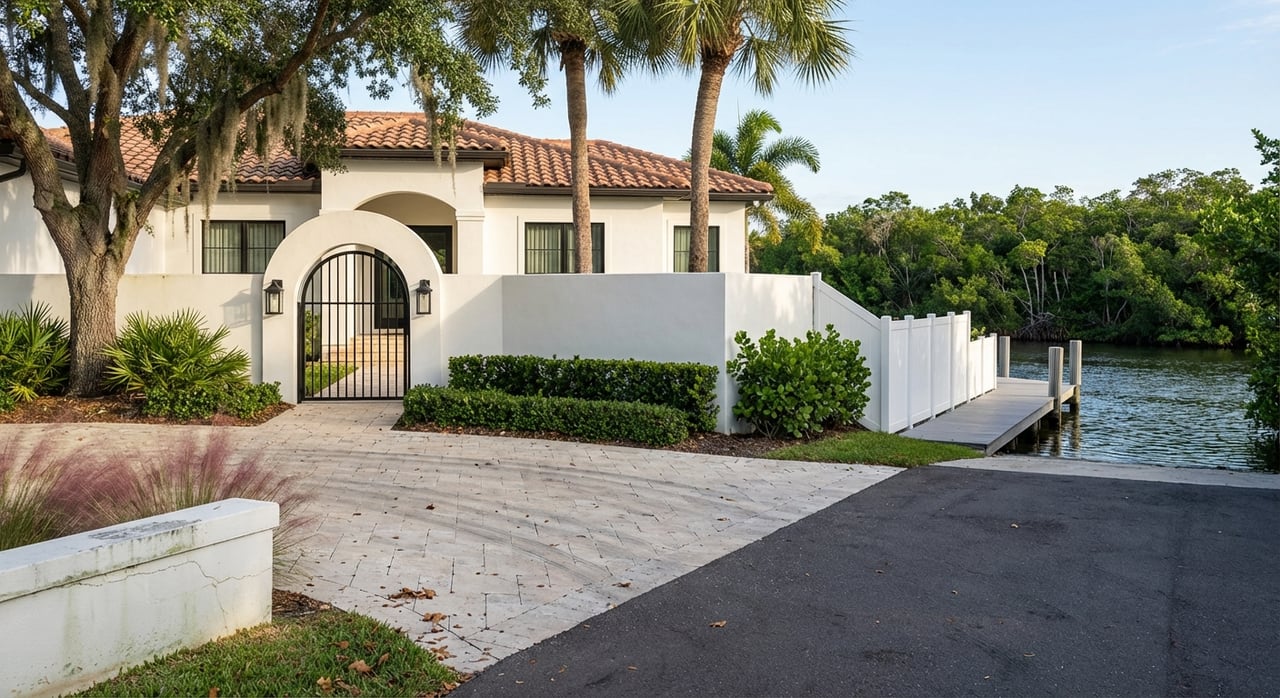
If you want water in your daily life, you’ll find a wide mix of waterfront and near-water homes. Expect canal-front cottages with private docks, stilted coastal homes, modest river cottages, and larger renovated river estates. Docks, lifts, and seawalls are common features and common due-diligence items. Away from the river, you’ll see older ranch-style homes and a notable supply of manufactured or modular homes that offer lower-cost options.
Old Homosassa vs. Sugarmill Woods
“Old Homosassa” delivers the working waterfront vibe: crab traps, moored boats, and a salty, walkable village feel near the river and restaurants. A short drive away, Sugarmill Woods is a large, tree-lined planned community with deed restrictions, golf and club amenities, and more suburban comforts. If you want a boat in the backyard and dockside dinners, Old Homosassa will call to you. If you prefer quiet streets, established landscaping, and golf, Sugarmill Woods may be a better fit.
Market snapshot in early 2026
Price summaries vary by data source and map boundary. One widely used home-value index placed typical Homosassa values around $300,924 as of January 31, 2026. Nearby Homosassa Springs and ZIP-level slices show different medians depending on inventory and time period. The takeaway is simple: always pin numbers to the exact neighborhood and date range you care about. Ask for the latest MLS median sold price, days on market, and active inventory before you decide.
Practical buyer checklist
Buying near the river adds a few extra steps. Use this short list to stay ahead:
- Verify the exact parcel and jurisdiction. “Homosassa” and “Homosassa Springs” appear interchangeably in listings. Confirm the Citrus County Property Appraiser and GIS details so you know which assessments and rules apply.
- Pull the FEMA flood map. Many waterfront and low-lying parcels are in Special Flood Hazard Areas. Check the address on the FEMA Flood Map Service Center and get an Elevation Certificate if the property is in or near the mapped floodplain. This can affect loans, building rules, and insurance.
- Review permits and building requirements. Docks, seawalls, and lifts often require county and state permits. Ask sellers for permit history and any elevation certificates. You can see typical permit records in the Citrus County permit portal.
- Confirm utilities and wastewater. Parts of Old Homosassa use public water through the Homosassa Special Water District, while many parcels still use septic systems. Utility type can impact renovation plans, inspections, and disclosures.
- Check dock and navigability details. If the dock sells the house, verify channel depth against your boat’s draft and confirm dock permits. Manatee speed zones and seasonal no-wake areas can affect your route and timing to the Gulf. Use the state manatee protection zones map for planning.
- Get early insurance quotes. In addition to flood coverage, waterfront homes can carry higher wind and hurricane premiums and deductibles. A few sample quotes will help you budget with confidence.
- Verify short-term rental and HOA rules. County ordinances and HOA covenants vary. If rental income matters, confirm requirements before you buy.
Who Homosassa fits
- Retirees and second-home buyers who want relaxed, river-centered living with wildlife and water at the doorstep.
- Boaters and anglers who value quick access to the Homosassa River, clear springs, and Gulf scalloping grounds in season.
- Amenity seekers who like the quiet, planned feel of Sugarmill Woods with golf and club options.
- Nature-first homeowners who want manatee viewing, boardwalks, and quiet state-park mornings to be part of everyday life.
A day in Homosassa
Start with coffee on the dock and a short ride to the headspring. Stroll the boardwalks and peek into the underwater observatory at the state park. Break for lunch at a dockside spot and boat back through slow zones while spotting manatees and dolphins. In scallop season, clean your catch at home and end the day with live music on the river. That rhythm is the heart of Homosassa.
Next steps
If Homosassa’s waterfront villages and Old Florida charm are on your shortlist, let’s talk about neighborhoods, docks, flood zones, and current pricing for your exact search. I’ll tailor a plan to your budget and timeline, set you up with VIP listing alerts, and walk you through each step with clear, patient guidance. Connect with Steven Lenhardt to get started or Request Your Free Home Valuation.
FAQs
What is the difference between Homosassa and Homosassa Springs?
- Homosassa is the small riverfront CDP, while Homosassa Springs covers a larger nearby area anchored by the state park; locals use both names depending on context.
When is scallop season near Homosassa, and how do I check rules?
- In Citrus County, bay-scallop season typically runs early July through September 24, with specific bag and gear limits published each year on the FWC scallops page.
How do manatee speed zones affect boating to the Gulf from Homosassa?
- Marked protection zones require slow speeds in key areas, which can lengthen travel times; review the state protection zones map and posted signs before heading out.
What kinds of homes are common in Old Homosassa?
- You’ll see canal-front cottages, stilted coastal homes, modest river cottages, and larger renovated riverfront properties, often with docks, lifts, or seawalls.
How does Sugarmill Woods compare to riverfront neighborhoods?
- Sugarmill Woods is a large planned community with deed restrictions and golf amenities a short drive from the river, offering a quieter, suburban feel versus the working waterfront vibe of Old Homosassa.
What flood and insurance steps should I take before buying near the river?
- Pull the address on the FEMA Flood Map Service Center, request an Elevation Certificate if needed, get early flood and wind quotes, and confirm any dock or seawall permits with the county.
