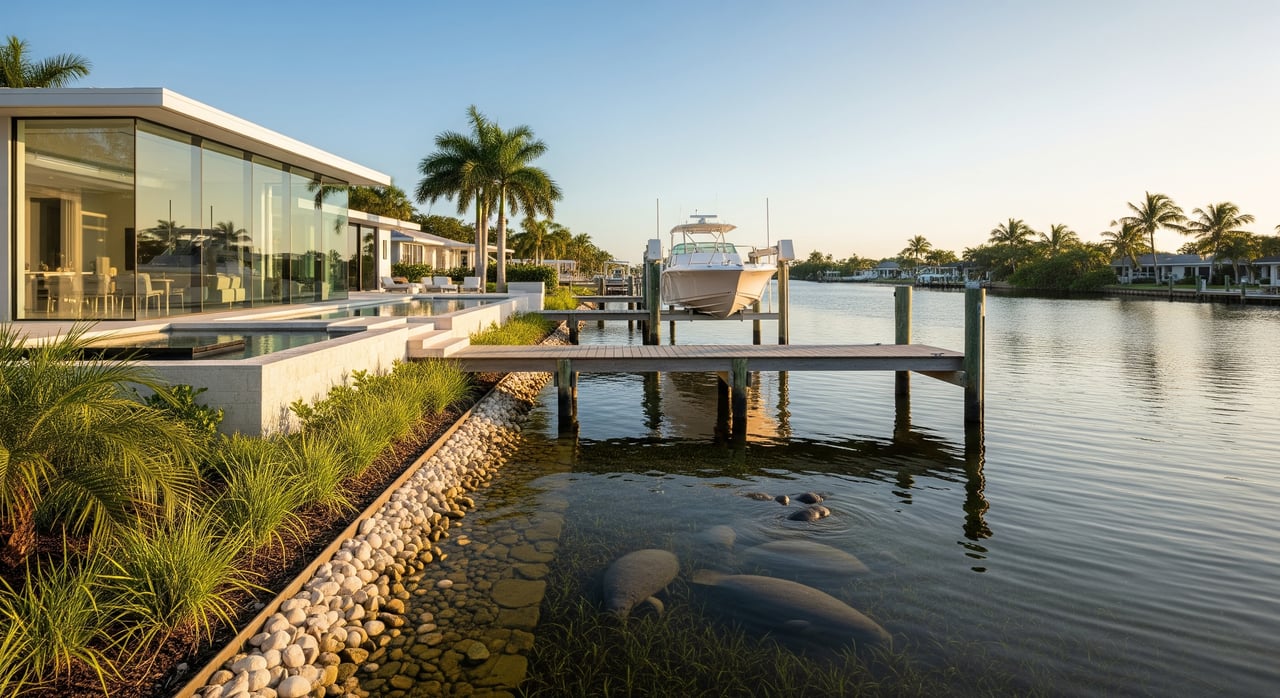
Two seasons quietly run the show in Homosassa Springs. Winter brings gentle manatees gathering near warm springs, and summer draws families to the Gulf for bay scallops. If you rent, buy, or sell property here, those rhythms can shape your calendar, your pricing, and your returns.
You want clear guidance you can use, not just pretty photos. This guide lays out a practical, month-by-month demand calendar, shows how to price and market for each season, and covers key rules and operations to keep guests happy and wildlife protected. You will also find simple steps to track data and time your decisions with confidence. Let’s dive in.
Why seasonality matters in Homosassa Springs
Homosassa Springs sits in a unique nature corridor. In the cooler months, manatees concentrate around warm springs, which draws wildlife viewers and steady winter visitors. In summer, recreational bay scallop season lights up the coast with boat traffic, charters, and family trips that favor waterfront rentals. Holidays, spring break, and local events add short bursts of demand.
These patterns are predictable. When you plan your listing timing, pricing, and amenities around them, you can grow occupancy and guest satisfaction without guessing. The sections below outline what to expect and how to act.
Month-by-month demand calendar
Note: Scallop season dates vary by year and county, and manatee viewing intensity depends on water temperatures. Always verify dates and conditions before you publish or price.
January to March: Peak manatee season
- Visibility: High manatee aggregation with excellent viewing opportunities near springs.
- Typical guests: Wildlife viewers, small groups, and seasonal residents.
- Booking behavior: Longer stays and higher tolerance for weekday bookings. Lead times are often 4 to 12 weeks or more.
- Action steps:
- Highlight proximity to Homosassa Springs Wildlife State Park and public boat ramps.
- Offer clear information on guided manatee viewing and safe boating guidelines.
- Set flexible midweek minimums and consider higher average daily rates for prime weeks.
April to May: Shoulder after manatees
- Visibility: Aggregations taper as waters warm. Some spring break demand may still spill into early April.
- Typical guests: Families and transitional visitors.
- Booking behavior: Moderate pace, more price sensitivity.
- Action steps:
- Run value promotions or midweek specials.
- Refresh your listing with spring imagery and emphasize quiet, nature access, and local trails.
June: Pre-scallop build
- Visibility: Manatees disperse more widely in warm water. Scallop season is often not open until July.
- Typical guests: Families and weekenders.
- Booking behavior: Weekend demand ramps up.
- Action steps:
- Set weekend minimums and prepare for faster cleaning turns.
- Stock summer amenities such as coolers, extra beach towels, and outdoor hose stations to rinse gear.
July to September: Scallop season and summer peak
- Visibility: Recreational scalloping is a major draw and family-friendly activity.
- Typical guests: Families, boaters, anglers, and groups focused on scalloping.
- Booking behavior: High weekend and holiday occupancy, especially July. Lead times can be shorter, but conversion is strong once dates are posted.
- Action steps:
- Emphasize water access, boat parking, and quick routes to scallop grounds or local charters.
- Provide gear storage, outdoor cleaning stations, and clear house rules for wet gear.
- Increase minimum stays and set premium holiday rates to manage turnover and cleaning strain.
October: Shoulder and reset
- Visibility: Scallop season often ends or winds down. Early manatee movement can begin later in the month during cooler snaps.
- Typical guests: Value seekers and off-season visitors.
- Action steps:
- Use off-season pricing for occupancy and schedule maintenance, deep cleans, or owner stays.
- Reposition your listing for winter with fresh copy and manatee-focused photos.
November to December: Holidays and early manatee return
- Visibility: As waters cool, manatee aggregation can begin in late November. Holidays create short, strong booking pulses.
- Typical guests: Holiday travelers and early winter visitors.
- Action steps:
- Encourage advance bookings for Thanksgiving and late-December travel.
- Set holiday minimums and provide local wildlife viewing tips and slow-speed boating reminders.
How seasons shape STR demand and pricing
Demand segments: fit your product to the guest
- Winter manatee viewers: Often smaller groups and longer stays. They value quiet, comfort, and easy access to viewing areas. If you are close to Homosassa Springs Wildlife State Park or public ramps, call that out in your listing.
- Summer scallopers: Families and groups need ground-floor or waterfront convenience, place to park a trailer, and safe storage for gear. Outdoor rinse stations, extra towels, and kid-friendly features help you stand out.
Pricing playbook by season
- Seasonal differentials: Raise rates in peak manatee windows (roughly December to March, dependent on temperatures) and during scallop season weeks in July and holiday periods. Offer shoulder-season discounts in April to May and October.
- Minimum stays and turnover: In winter, encourage longer stays and midweek bookings. In summer, enforce weekend and holiday minimums to reduce cleaning strain and preserve margins.
- Booking windows: Winter guests and snowbirds tend to book farther in advance, often 6 to 12 weeks or more. Summer scallop guests may book 2 to 6 weeks out, so keep last-minute pricing dynamic and inventory clearly available.
Marketing and listing updates
- Tailored copy: Switch your title and first lines seasonally. Use language like “Winter Manatee Viewing Near Springs” from November to March and “Waterfront Home Near Scallop Grounds” in July to September.
- Partnerships: Coordinate with local tour operators and charters that follow current state and federal guidelines. Offer referral info in your guest book and pre-arrival emails.
- Seasonal imagery: Use manatee and spring images in winter. In summer, showcase family boating, dock access, and outdoor spaces.
Operations that earn 5-star reviews
Turnover and staffing
- Summer requires more frequent weekend turns. Line up backup cleaning crews and consider a peak-season cleaning surcharge that is disclosed up front.
- Winter often brings longer, lower-impact stays, which can ease turnover pressure and allow deeper routine maintenance between bookings.
Gear and amenities that matter
- For scallopers: Provide a freshwater rinse hose, a gear rack, waterproof floor mats by entries, extra drying hooks, and a simple guide for safe scalloping and boat ramp etiquette.
- For wildlife viewers: Offer binoculars, park maps, and a one-page guide to responsible manatee viewing and slow-speed boating zones.
- For families: Stock board games, kid-size life vests (with disclaimers and sizing notes), and blackout curtains for early bedtimes.
Guest education and safety
- Share current conservation and boating rules for manatees and local waterways from state and federal agencies. Clear reminders help guests do the right thing and protect wildlife.
- Include emergency contacts for law enforcement, marine patrol, and the nearest hospital in your digital guidebook and a printed binder.
Regulations and conservation you must respect
- Scallop seasons and rules: Dates, bag limits, and county-specific regulations are set by the Florida Fish and Wildlife Conservation Commission and can change annually. Remind guests to check current rules and to harvest responsibly.
- Manatee protections and boating laws: Speed zones, protection areas, and viewing guidelines apply in Homosassa and nearby Crystal River. Share safe viewing tips and emphasize slow speeds in designated areas to avoid fines and harm to wildlife.
- Local STR rules and taxes: Citrus County and local municipalities can require business licensing, transient rental tax, and safety standards. Verify registration and tax remittance with the county and keep compliance documents on file.
- Capacity, parking, and neighborhood impact: Peak seasons stress parking and boat ramp access. Set clear house rules, quiet hours, and guest limits in your listing and pre-arrival messages.
- Insurance and liability: Waterfront homes and any equipment you offer, such as kayaks, increase risk. Confirm coverage, use simple waivers when needed, and provide safety instructions.
When to buy, sell, or list in Citrus County
- Buying an STR: Consider shopping in the shoulder months of April to May or October. You can inspect properties thoroughly without peak-season booking pressure, then prepare for the next high-demand window.
- Listing a property for sale: Time presentation to meet demand. Winter brings more nature-focused visitors and seasonal residents. Summer yields high traffic from vacationing families and boaters. Align professional photos and launch timing with curb appeal and access conditions.
- On-market strategy: If you sell during peak scallop weeks, set clear showing windows around bookings. If you sell during winter, highlight quiet indoor comfort, proximity to the springs, and longer-stay appeal for buyers planning seasonal use.
What to track next
Monitoring a few data points can turn seasonality into a repeatable strategy.
- Occupancy and ADR: Track weekly performance by property type, especially waterfront versus inland, for the past two to three years.
- Lead times and cancellations: Compare booking lead times in winter versus summer and note how often guests cancel in each window.
- Event uplift: Flag weeks around major holidays, spring break, fishing tournaments, and county festivals. Adjust minimums and pricing early.
- Wildlife and season announcements: Follow updates from Florida State Parks and state or federal wildlife agencies on manatee conditions and viewing guidance, plus FWC announcements for scallop dates.
A simple local analysis plan
Pull historical STR data for the Homosassa and Crystal River area for the last two to three years. Segment by month and by waterfront status.
Overlay FWC manatee count updates and annual scallop season dates to confirm where occupancy and rates spike.
Build seasonal pricing and stay rules. For example, higher ADR and longer minimums from December to March, and weekend or holiday minimums in July.
Create two listing templates and guest packets you can switch out: one for manatee season and one for scallop season.
Coordinate with reputable local operators for tours, charters, and gear rental. Cross-promotion supports guests and boosts conversion.
Ready to plan your move?
Whether you are buying a waterfront home, selling a family property, or setting up an STR, timing and preparation are everything in Homosassa Springs. If you want a data-driven plan that respects local wildlife and maximizes returns, let’s talk about your goals and a clear timeline. Request Your Free Home Valuation or ask for a customized seasonality strategy for your property.
Connect with Steven Lenhardt to get started today.
FAQs
When is the best time to see manatees in Homosassa Springs?
- Peak viewing typically falls in the cooler months, often January to March, with early returns possible in late November depending on water temperatures.
When does bay scallop season usually run in Citrus County?
- Recreational scallop season generally opens in mid-summer and can extend into early fall, but dates vary by year and county, so always check the latest FWC announcement.
How should I price a Homosassa Springs rental for scallop season?
- Raise rates for July weekends and holiday weeks, set firm minimum stays, and add value with boat-friendly amenities like trailer parking and gear rinse stations.
What amenities matter most to scallopers renting a home?
- Waterfront or ramp access, ample trailer parking, outdoor gear storage, a freshwater rinse hose, extra towels, and simple house rules for handling wet gear.
Do I need a permit or license to operate a short-term rental in Citrus County?
- You may need business licensing and must handle tourist and transient rental taxes; confirm current requirements with Citrus County offices and keep documents on file.
How far in advance do winter guests usually book in Homosassa Springs?
- Winter visitors, including snowbirds and wildlife viewers, often book 6 to 12 weeks ahead, while summer scallop travelers may book closer to arrival.
