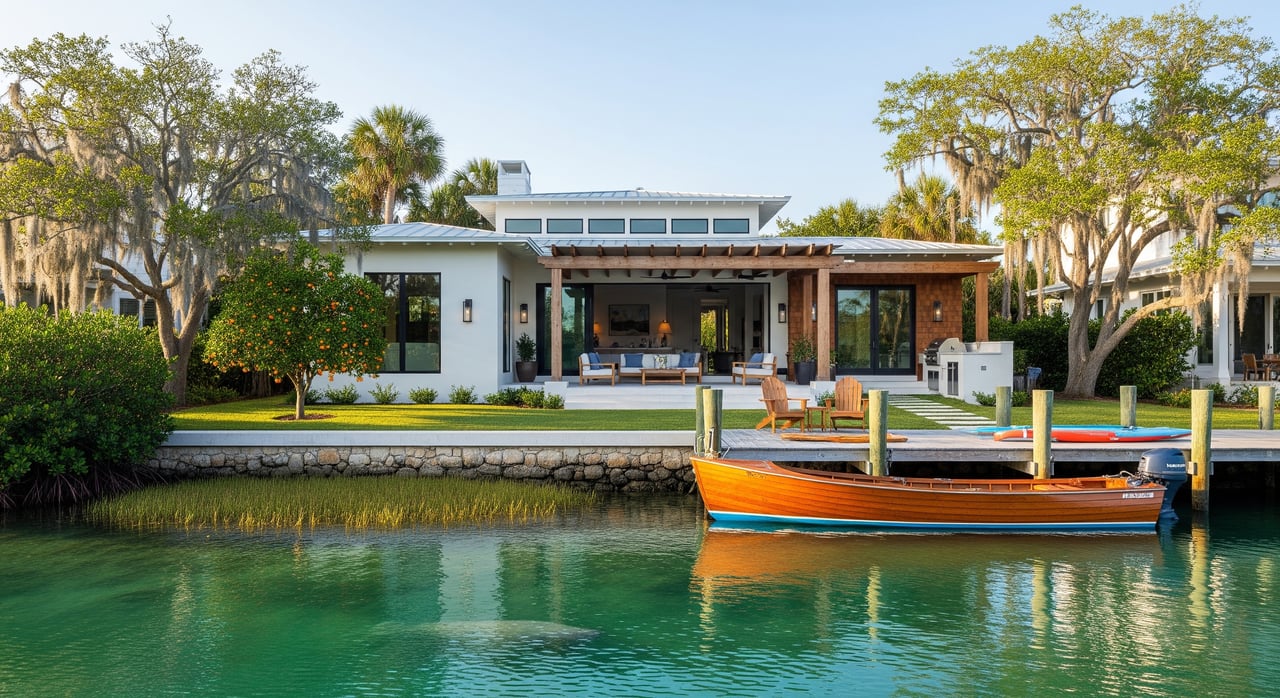
Picture your morning starting on calm, spring-fed water as a manatee drifts by your kayak. If you’re craving a slower pace with easy access to nature, Crystal River offers a lifestyle built around the outdoors, small-town routines, and a friendly community rhythm. In this guide, you’ll get a clear feel for daily life, neighborhoods, seasonality, and the practical details that matter before you buy. Let’s dive in.
Crystal River at a glance
Crystal River sits on Florida’s Nature Coast, centered on Kings Bay and a network of clear springs that feed the bay and nearby estuary. The vibe is relaxed and outdoorsy with a day-to-day pace that is typically quiet and neighborly. You’ll notice more activity in cooler months during manatee season and again in summer when boaters and scallopers roll in.
Local work often connects to eco-tourism, boating and fishing, retail and services, healthcare, and public-sector jobs. Some residents commute to nearby towns in Citrus County or to larger metro areas, while many others work locally or are retired. The mix of year-round residents and seasonal visitors shapes everything from boat ramp parking to restaurant wait times.
Outdoor life on your doorstep
Springs and manatees
Crystal River’s springs and manatees define the area’s identity. The Crystal River National Wildlife Refuge, including the high-profile Three Sisters Springs unit, protects manatee habitat and guides how people use the water. Manatee viewing happens year-round, but it peaks in cooler months when manatees gather in the warm spring waters. Expect seasonal rules, sanctuaries, and manatee protection zones that shape where you can boat, swim, or anchor.
On the water every day
If you love the water, you’ll fit right in. Residents boat, kayak, paddleboard, and fish throughout Kings Bay and the nearby Gulf. Many homes sit on canals or directly on the bay with private docks, and scalloping season adds a festive summer rhythm. Boaters plan their routes around no-wake zones and marked channels, and they learn the local rules designed to protect wildlife and water quality.
Trails, parks, and history
Off the water, you’ll find hiking, birding, and cycling on nearby trails and preserves. The Withlacoochee State Trail is within an easy drive for longer bike rides, and local parks provide quick green-space breaks. For a cultural layer to your outdoor routine, the Crystal River Archaeological State Park offers a window into the region’s deep history alongside scenic river views.
Downtown and daily errands
Downtown Crystal River is compact and walkable. You’ll find local restaurants, marinas, outfitters, bait and tackle, and visitor-facing shops. Grocery stores, banking, and everyday services are convenient, though specialized retail often means a drive to larger towns. Routine healthcare needs are served locally by clinics and urgent care, while major hospital services are typically in nearby metro areas.
You’ll get used to planning around the season. Locals often run errands earlier in the day during peak months, and they time boat days with the tides and tour schedules. The flip side is that quieter weeks feel calm, with easy parking and quick turns at your favorite spots.
Housing and neighborhoods
Waterfront living 101
Waterfront living is a major draw in Crystal River. Canal and bayfront homes often include private docks and quick access to the water. When you’re evaluating a waterfront property, consider dock condition and permitting history, depth at the dock at various tides, the state of seawalls, and what boat size is permitted. Proximity to manatee protection zones and sanctuaries can influence how you access open water and how fast you can go in certain areas.
Shoreline structures like docks, boathouses, and seawalls typically require permits from Citrus County and sometimes state or federal agencies. It pays to review the property’s permit history early and to understand how refuge boundaries and local rules could affect future improvements.
Inland and suburban options
Not every home sits on the water. You’ll find quieter inland neighborhoods, often with more traditional yard space and a more residential feel. These areas can be more affordable than prime waterfront, while still keeping you close to marinas, parks, and downtown.
Condos, manufactured homes, and retirement communities
The local housing mix includes older coastal cottages, mid-century homes, condos, and manufactured or mobile home communities. Age-restricted or retirement-focused neighborhoods are common and vary in amenities and character. You’ll also see newer infill construction, but development is not as dense as Florida’s larger metro areas.
Costs and practicalities
Insurance and natural hazards
Hurricane and wind coverage is a routine part of homeownership in coastal Florida, and flood insurance is common for waterfront or low-lying properties. Premiums can be higher in certain flood zones, so it’s smart to review FEMA flood maps and gather preliminary insurance quotes early. Storm surge exposure and elevation certificates can factor into both your insurability and long-term costs.
Sewer, septic, and utilities
Many neighborhoods still rely on septic systems. A professional septic inspection is a must during due diligence. Sewer expansion projects may be underway in parts of Citrus County, which can affect property values and monthly utility costs. Internet and cellular service can vary by street and provider, so confirm coverage at the address rather than assuming service based on nearby homes.
Transportation and access
Public transit is limited, and most residents rely on cars. Drives to major airports or larger job centers in nearby metros are reasonable for trips but long enough that daily commuting can be inconvenient. If you plan to commute to a larger city, test the drive at your typical travel times.
Schools and healthcare
Public schools are part of the Citrus County School District. Families typically review school assignment maps and state-reported performance data to decide what fits their needs. Healthcare access includes local clinics and urgent care, with trips to larger medical centers for specialized or hospital-based care.
Taxes and ongoing costs
Florida has no state income tax. Property taxes, insurance, and utilities tend to be the most important ongoing costs. Millage rates and exemptions, including Homestead, come through Citrus County and local taxing authorities. Review the Citrus County Property Appraiser’s guidance to understand how exemptions and assessed values apply to your situation.
Short-term rentals and seasonality
Short-term rental use is part of the local mix, especially in waterfront and visitor-friendly areas. Rules can vary by jurisdiction and neighborhood. Before you buy, confirm city or county licensing requirements, transient rental taxes, and any HOA or neighborhood restrictions. Seasonal demand influences bookings and rates, so factor that into your expectations if you plan to host.
A day in the life
On a weekday morning, you might sip coffee on your dock and watch the light come up over the bay. If the tides line up, you launch a kayak for an hour, then head downtown for errands while it’s quiet. In the afternoon, a quick paddleboard session or a bike ride on a local trail resets the day.
On a weekend, it’s all about the water. During summer, families hitch up the boat for scalloping and a picnic. In cooler months, you plan around manatee zones and sanctuary rules to keep wildlife safe while enjoying the springs. Evenings tend to be calm, with sunsets over the bay and easy conversation on the porch.
Ready-to-check list before you buy
Use this list to organize questions and due diligence while you compare homes.
Property basics
- Confirm flood zone and obtain an elevation certificate if available.
- Request preliminary quotes for wind and flood insurance.
- Review Citrus County Property Appraiser records for assessed value and exemptions.
Waterfront due diligence
- Inspect dock, lifts, and seawall condition, plus permitting history.
- Ask about depth at the dock at low tide and shoaling patterns.
- Verify allowed boat size and any shoreline or refuge restrictions.
- Map your route to open water and note no-wake or manatee zones.
Utilities and infrastructure
- Determine if the property is on septic or sewer and schedule a septic inspection if needed.
- Ask Citrus County utilities about any planned sewer expansions.
- Confirm internet and cellular providers at the address and test speeds.
Rules and permits
- Contact Citrus County Planning and Zoning for building and shoreline permits.
- For waterfront changes, confirm if Florida DEP or federal approvals apply.
- Understand how manatee protections and refuge boundaries affect construction or use.
Lifestyle fit
- Time your drive to your regular destinations, including grocery, medical, and favorite parks.
- Plan for seasonal crowds at springs, boat ramps, and key intersections.
Schools and healthcare
- Review Citrus County School District boundary maps and publicly reported performance data.
- Identify local clinics and your preferred hospital system in nearby metro areas.
Is Crystal River right for you?
If you want everyday access to springs, wildlife, and the Gulf, Crystal River makes it easy to step outside and live your lifestyle. The trade-offs are real: hurricane and flood exposure, higher insurance for some properties, seasonal visitor traffic, and limited specialty retail or medical services locally. But if you value nature, a neighborly feel, and a slower rhythm, you’ll likely feel right at home.
Ready to explore homes and neighborhoods one-on-one with a local guide who knows the water and the contracts? Connect with Steven Lenhardt for patient, practical help from search to closing.
FAQs
What is daily life like in Crystal River?
- Day-to-day life is relaxed and outdoors-focused, with a quiet residential pace most of the year and a noticeable bump in activity during manatee season and summer.
Is waterfront living practical for everyday use?
- Yes, many residents live on canals or the bay and boat regularly, but plan for dock and seawall upkeep, permits, insurance costs, tides, and manatee protection rules.
How family-friendly is Crystal River and what about schools?
- The area attracts families and retirees; public schools are in the Citrus County School District, and you should review current assignment maps and performance data.
How easy is it to reach big cities or airports?
- You can drive to larger metro areas and major airports in a reasonable trip, but daily commuting to distant job centers can be inconvenient due to drive times.
What are the main downsides to consider?
- Potential downsides include hurricane and flood risk, higher insurance in some areas, seasonal tourist traffic near springs, limited specialty services, and variable internet.
Will environmental protections affect how I use my property?
- Environmental rules, including manatee sanctuaries and shoreline permitting, are part of life here and can influence water access and construction plans, so review them early.
